



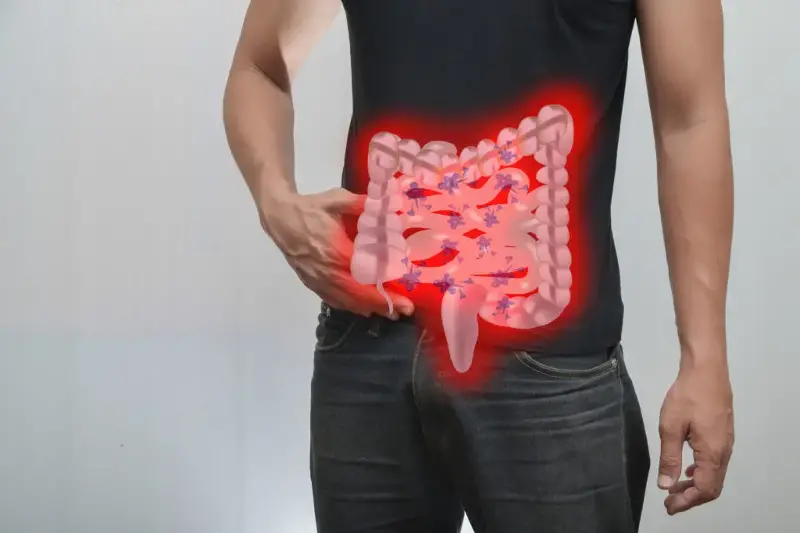
Gastroparesis symptoms often develop gradually and may be mistaken for common digestive discomfort. Gastroparesis is a condition in which the stomach empties food more slowly than normal, even though there is no physical blockage. This delayed gastric emptying interferes with digestion, allowing food to remain in the stomach for longer than it should, which can lead to ongoing symptoms and nutritional challenges.
Gastroparesis occurs when the normal coordination between stomach muscles and the nerves that control them is disrupted. While there is no single cure, early diagnosis plays an important role in managing symptoms, reducing complications, and improving quality of life.
Common Gastroparesis Symptoms
Gastroparesis symptoms can vary in severity and may worsen over time if left untreated. Common symptoms include:
-
Persistent nausea
-
Vomiting, sometimes of undigested food
-
Feeling full after eating small amounts
-
Abdominal bloating or discomfort
-
Heartburn or acid reflux
-
Poor appetite and unintended weight loss
-
Difficulty managing blood sugar levels, especially in people with diabetes
The severity of gastroparesis symptoms ranges from mild digestive discomfort to significant nutritional and metabolic complications.
What Causes Gastroparesis?
In many cases, the exact cause of gastroparesis is not clearly identified. However, several medical conditions and factors are known to affect stomach emptying.
Diabetes
Diabetes is one of the most common causes of gastroparesis. Long-term elevated blood sugar levels can damage nerves involved in digestion, leading to impaired stomach contractions and delayed emptying.
Nerve or Muscle Dysfunction
Gastroparesis can develop when the nerves that regulate stomach movement do not function properly, or when the stomach muscles fail to respond normally. This disruption reduces the stomach’s ability to push food forward efficiently.
Post-Viral Effects
Some people experience gastroparesis following a viral illness. Although the infection resolves, nausea and vomiting may persist as stomach motility remains impaired.
Medication-Related Causes
Certain medications can slow stomach emptying and trigger symptoms similar to gastroparesis. These include:
-
Opioid pain medications
-
Some antidepressants
-
Anticholinergic drugs
-
Certain blood pressure and allergy medications
Adjusting or stopping these medications under medical supervision may help improve symptoms.
Post-Surgical Causes
Gastroparesis may occur after abdominal or upper gastrointestinal surgery, particularly if nerves involved in stomach function are affected during the procedure.
Associated Medical Conditions
Some neurological, autoimmune, and connective tissue disorders are associated with delayed gastric emptying and may increase the risk of gastroparesis.
Possible Complications of Gastroparesis
Without proper management, gastroparesis can lead to several complications:
-
Malnutrition, due to reduced food intake and poor nutrient absorption
-
Unstable blood sugar levels, particularly in people with diabetes
-
Bacterial overgrowth, as food remains in the stomach for extended periods
-
Bezoar formation, where undigested food hardens into a mass that can obstruct digestion
These complications highlight the importance of recognising gastroparesis symptoms early.
Managing Gastroparesis Symptoms
Although gastroparesis cannot always be cured, treatment focuses on symptom control and maintaining nutrition. Management may include dietary adjustments, medications to improve gastric emptying or control nausea, blood sugar optimisation for diabetic patients, and nutritional support when needed.
Treatment plans are usually tailored to the individual, depending on the severity of symptoms and underlying causes.
Conclusion
Gastroparesis can be challenging to manage, but recognising gastroparesis symptoms early allows for timely diagnosis, better symptom control, and fewer complications. If persistent nausea, vomiting, early fullness, or unexplained digestive discomfort occurs, medical evaluation is important. With appropriate care and support, many people with gastroparesis are able to improve their symptoms and maintain a better quality of life. PRIME